

Simplification 101: Making your stuff last
How to take care of your stuff
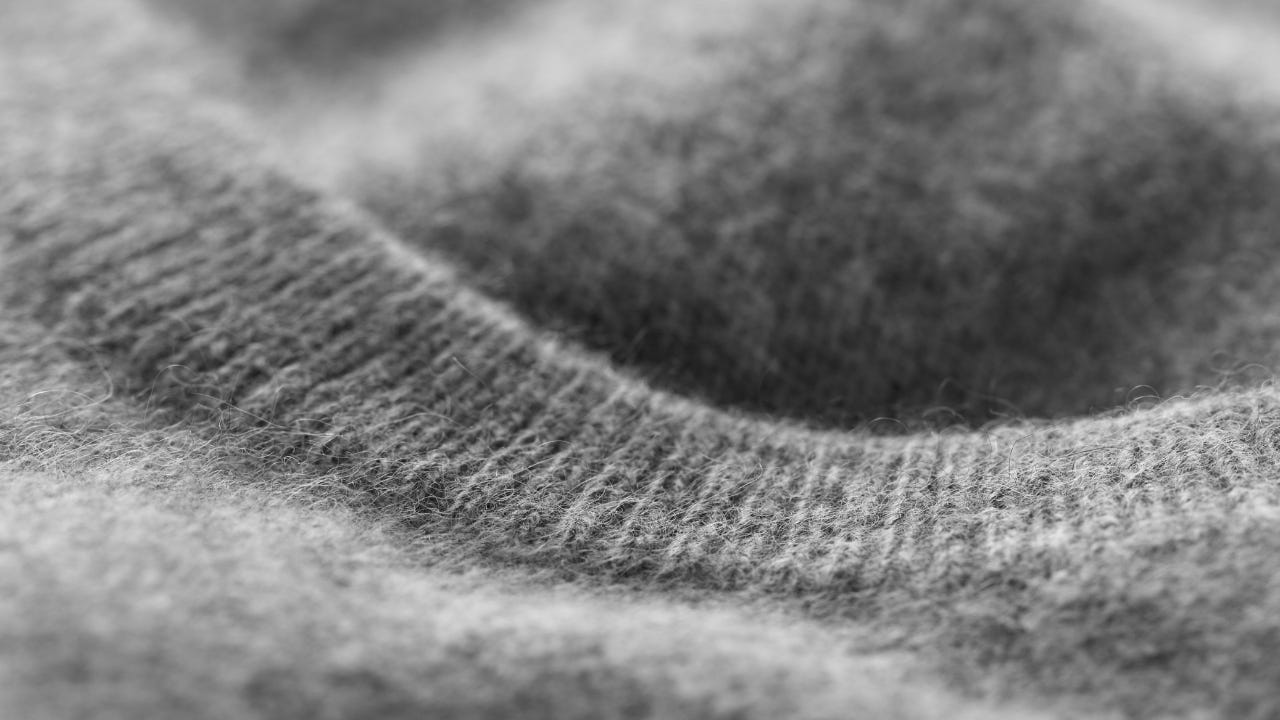
As I was preparing my winter clothes for storage I couldn’t stop thinking about how, in much of the world where overconsumption has become the norm, taking care of our stuff is becoming the exception and not the rule.
When things like new clothes, shoes, kitchen utensils, and home decor, are just a click away, relatively inexpensive, and worst of all, cheaply made; putting in the effort to make them last becomes less of a priority. Especially because that effort can be time consuming, and often costs money (drycleaners/cobblers). But I truly believe that taking care of our stuff and making it last, is more important than ever.
If you’re here, I’m pretty sure you don’t need to be reminded why: the environment, our health, equality, and I’ve recently also started seeing it as a way to combat “enshittification” (though that’s more of a tech term, but I honestly feel like it’s creeping into everything).
What’s tough about making things last is that you have to completely change our mindsets about how we treat our stuff. It’s what we should be doing anyways, but in the modern world where disposability is the default and not the exception, it can take some adjusting.
In this post I want to share some of the ways I take care of my stuff and make it last. In no particular order:
1. Buying the right stuff
Making your things last is difficult if the things weren’t made to last to begin with. I know this one is really difficult because finding quality things is difficult to begin with. Here’s what I look out for:
Price/brand name - Brands and high prices are definitely not a guarantee for good quality, but they can be an indication. You’ll want to look into what a company or brand is known for and how people speak about their products. If a brand is known for their shoes, buy their shoes and not their t-shirts. If it’s known for their pans, buy their pans and not their plates. You get the gist. Brands that offer lifetime guarantees are going to be your best bet. Yes, these are often more expensive items, but the idea is that you buy it for life.
Material - Materials are often a good indication of how a product is going to age. More often than not, anything with plastic is going to be a bad bet for longevity. Natural materials are often easier to mend or at least age better. Solid wood can be sanded and polished, cotton gets softer, 100% wool doesn’t pill as easily*, cast iron can be re-seasoned over and over again. Plastics get brittle over time and crack. If you’ve ever found an old bathing suit in the back of the closet you’ll know what I mean.
“Repairability” - This might require a bit of research but often things that are marketed as repairable are going to be pretty good in the long run. Things that come with batteries (especially if they are not removable) are near impossible to repair. When buying lamps, if the lightbulbs can’t be replaced, the whole lamp will need to go if the bulb burns out. Look out for shoes that can be re-soled. And as always, plastic can’t really be repaired.
*When it comes to 100% wool and cashmere, often the price indicates the quality of the fibers. Yarn made with long fibers is expensive but will pill way less, especially the longer you have it, as the short fibers come out in the beginning of its life. Cheaper “100% Cashmere” is often made with something akin to “leftover” fibers which are much shorter.
2. Maintenance
Making your things last means taking care of them properly. This counts for all your stuff, not just the quality items (though personally, the more research and money I’ve invested into a piece, the easier it is for me to put a lot of effort into taking care of it). Taking care of things means you have to learn how to take care of them, so always start with that. Do research on how to take care of your belongings, a quick google search is all it takes.
Day to day - First of all, and maybe a no-brainer, you’ll want to treat your stuff with care. There is a balance to be had here though. You don’t want to be too precious with your things that you never end up using them or feel super stressed when using them, but you also don’t want to treat them as disposable. Here the pointers are: Use the appropriate things for the appropriate context (e.g. don’t wear delicate fabrics when going to the dog park). Be conscious of friction points (e.g. when leaning on your elbows a lot the elbows of sweaters wear out, bags rubbing against sides or shoulders causing pilling on coats or wear on the bag itself, using metal utensils in enameled pots). And do maintenance on items before they break (e.g. car maintenance, resoling/heeling shoes before they wear through completely).
Cleaning - Clean your stuff properly. Follow the care instructions and use the appropriate cleaning products. Often there is wiggle room, aka you don’t have to use super special specialty cleaning products or dry-clean everything. When not following the exact instructions it’s really important to do good research though. For example, delicate clothes made of wool or silk could be washed in a washer, but only on a very low spin cycle, in a wash net, with an enzyme-free detergent, and if they don’t have linings or structure. Never use anything acidic on stone counters. Don’t use ammonia or bleach on chrome. Don’t use alcohol on screens. When cleaning your stuff, definitely read the instructions but you can also look for more generic advice.
Mending - If something does get damaged, make sure to mend it as soon as possible, or at least don’t use it before it has been mended. There is always a risk that the damage gets worse and then mending becomes more and more difficult. So polish and sand, resole, reheel, sew, reattach buttons, sharpen knives, oil hinges and cutting boards, de-pill, and moisturize away. There are lots of resources out there on how to mend specific items, but if you don’t have the materials or time, don’t be afraid to take them to an expert. My cobbler and tailor recognize me by now because I know they will do a way better job than I could ever do with my stuff.
“The messy version” - In order to have nice things that last a long time you need some “not nice things.” I think we all remember our parents or grandparents having some sort of work/garden/painting/ugly thing that they weren’t afraid to ruin. This could be an old pair of jeans, an apron, a sheet, a rag, a bucket. Often these things might just be an old version of something that was nice to begin with. So even though I speak a lot about only keeping the things you use and love, this can include things you don’t love but definitely use.
3. Storage
Even when we aren’t using our stuff, it exists and it is slowly deteriorating. Such is life. Whether we are storing something for a season, years, or even just until next weekend, it’s important to do this properly to avoid disappointing surprises.
Clean and dry - Make sure whatever you are storing is clean and dry. The reasons thrift stores smell that way is because of oils and skin sitting in the merchandise. When you store clothes that haven’t been cleaned (even if they aren’t obviously smelly or dirty) they end up getting smellier and smellier. This attracts pests. Moths like natural fibers, but they LOVE natural fibers with a little bit of extra flavor (I’m sorry that’s disgusting). Same with things not being dry, it causes bacteria and mold and mildew to grow. I’ve especially noticed this with kitchen appliances, so don’t close the blender lid or the instant pot. Leave it all slightly ajar until you are 100% certain it’s dry. Also make sure everything is empty (pockets, drawers, pouches).
Storage climate - Building on clean and dry, you’ll want to store things in a good climate. There’s no point in making sure everything is perfectly dry if you’re going to store it somewhere humid or damp. If you do, try to store things in air tight containers. Store things away from direct sunlight (books are particularly susceptible to this). And make sure things aren’t too hot, nor too cold… very goldilocks. Keep dehumidifiers and pest repellents nearby.
Check in on and deep clean your storage - Wherever you are storing things, whether it’s storage you access every day (kitchen cabinets) or once a year (basement), it’s good to clean it all once in a while. Vacuum and wipe down containers like wardrobes, cabinets, dressers, and boxes. This gives you the opportunity to remember what you’re actually storing and also let’s you catch things that might ruin what you’re storing before it’s too late (e.g. early stages of mold, or pests having moved in).
4. Mindset
Taking care of our stuff requires us to invest time and energy where it might be easier to “just get a new one.” You’ll probably have to change your mindset and behavior to really get into the grove of taking care of your things. These are my personal strategies:
Respect labor - In a way, all of your belongings are physical manifestations of your time and energy (along with everyone else involved in the creation of the item, from the the people gathering the raw materials, to the whoever brought it to your doorstep/or store). Treat your things as valuable, because they really are, you’ve spent your hard earned money on them, so by respecting your things, you are respecting your own time and energy. When we acknowledge the many hands the things around us have passed through in order to be here today, they are imbued with community. Visualizing the people involved every (often ethically questionable) step of the way, makes even the most simple item feel sacred and worthy of care, at least in my opinion.
Spirit - In a similar vein: Animism is the belief that all places, objects, and creatures possess a distinct spiritual essence, perceiving them as animated and having agency. It is often associated with the spiritual perspectives of many indigenous peoples around the world. Marie Kondo talks about it a lot in her work, thanking items for being a part of her life, saying hello to her home and those of the people she helps. Treating things as entities that are part of the fabric of our lives, is another way of looking at our stuff in a way that makes properly making care of it easier.
Ritual - With labor and spirit in mind, setting aside time to take care of your things can become a ritual. De-pilling my sweaters becomes a space for reflection and meditation rather than a chore for example. I open by blocking off time and gathering all the needed tools and supplies. I then do whatever the task is, in silence. I often end up feeling really peaceful and grateful by the end of the task, thinking about the above two points.
5. Have less stuff
Buying the right stuff takes upfront investment, both in time and money. You’ll have to research brands and materials, and then slowly invest in these pieces. It’s not an overnight thing. It requires patience and dedication. Living a more minimalist life definitely makes this all easier. The less stuff we have the more attention we can give to the individual items. Which is kind of funny because often the whole point of minimalism is that we put less focus on our stuff, not more, but there’s a logic in there somewhere.
In any case, having fewer, better things makes them easier to take care of. Anything stored is easier to check up on. Taking more time/money to decide on what to bring into your life is more of a second nature. Cleaning and maintaining requires less effort and decision making. You end up having a better overview.
Final thoughts
In the past, in most places in the world today, and I think deep down inside all of us, it’s common sense to take care of your things and make them last. But for those of us who have slipped into a disposability mindset, I want to acknowledge that we have full blown late stage capitalism working against us, and it is a powerful and exhausting machine. We can agree that it’s common sense to take care of our things, but also agree that it is hard when you’re in an environment where disposability is facilitated.
I also want to acknowledge that this is all more difficult with kids and pets (or people who don’t care as much) in the house. With kids it could be a good opportunity to get into good habits around consumption so they are set up for success later in life. As always though, we can only do our best, perfection is not the key. If things get ruined or don’t last, that’s okay. Every little bit of care matters.
As always, Coco, you're so thoughtful and thorough in your writing. Thank you for this helpful guide and reminding us that the things we own do require, but also deserve our time and attention if we want them to continue to serve us.